
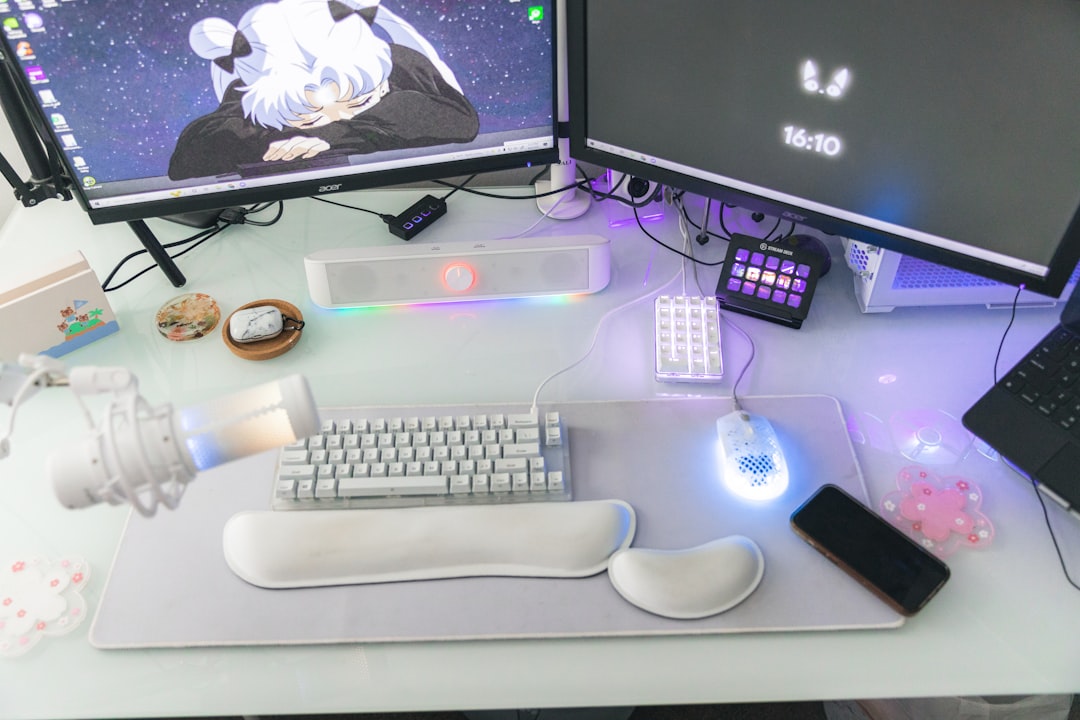
In the ever-evolving world of technology, computer accessories play a pivotal role in enhancing our computing experience. However, misconceptions abound regarding what accessories are truly necessary and which ones are merely extravagant. Let’s dive into the realm of computer accessories, debunk some myths, and explore the truth behind these essential tools.
Myth: You need to spend a fortune on computer accessories to improve your setup.
Truth: While high-end accessories can offer advanced features, there are plenty of budget-friendly options that deliver excellent performance. For instance, a good quality mouse or keyboard doesn’t have to break the bank. Brands like Logitech and Razer offer affordable yet reliable products that can significantly enhance your productivity without emptying your wallet. Investing in ergonomic designs can also prevent strain during long hours of work, making them worth every penny.
When it comes to monitors, many believe that only the most expensive models provide the best viewing experience. However, there are numerous mid-range monitors that offer vibrant colors and sharp resolutions, perfect for both work and gaming. The key is to do your research and read reviews to find the best value for your needs.
Myth: All computer accessories are universal and will work with any device.
Truth: Compatibility is crucial when selecting accessories. Not all keyboards, mice, or monitors will work seamlessly with every computer. For example, if you’re using a Mac, you may find that certain peripherals designed for Windows PCs lack functionality or require additional software to operate correctly. Always check compatibility before making a purchase to avoid frustration later.
In recent years, eco-friendly computer accessories have gained popularity, leading to another common misconception.
Myth: Eco-friendly accessories compromise quality and performance.
Truth: This is far from the case. Many companies are now producing high-quality accessories made from sustainable materials without sacrificing performance. For example, bamboo keyboards and recycled plastic mice are not only environmentally friendly but also stylish and durable. By choosing eco-conscious products, you can reduce your carbon footprint while still enjoying top-notch functionality.
DIY computer accessories are also on the rise, appealing to tech enthusiasts and budget-conscious consumers alike.
Myth: DIY accessories are only for tech experts and can be complicated to make.
Truth: While some DIY projects can be intricate, many are surprisingly simple and require minimal tools. For instance, creating a custom mouse pad or a cable organizer can be a fun weekend project that enhances your workspace. There are countless tutorials available online that guide you through the process step-by-step, making it accessible for anyone willing to try.
As we explore the latest trends in computer accessories, it’s essential to stay informed about what’s genuinely beneficial. For instance, RGB lighting has become a significant trend, often seen as a must-have for gamers. However, many users overlook the fact that while RGB lighting can enhance aesthetics, it doesn’t necessarily improve performance. It’s essential to prioritize functionality over flashy features when selecting accessories for your setup.
Another trend gaining traction is the rise of multifunctional accessories. Devices that serve multiple purposes, such as a keyboard with built-in USB ports or a monitor with integrated speakers, can save space and reduce clutter on your desk. These accessories are not only practical but also contribute to a more organized and efficient workspace.
In conclusion, understanding the truth behind computer accessories can help you make informed decisions that enhance your computing experience. By debunking common myths, you can focus on what truly matters: finding the right tools that fit your needs, budget, and values. Whether you’re a casual user, a gamer, or a professional, the right accessories can elevate your setup and improve your overall productivity. So, the next time you’re in the market for computer accessories, remember to look beyond the surface and choose wisely.